
As I write this on Sunday night, January 25, my latest TikTok video has zero views, and the mobile editing app I usually rely on, CapCut, which is owned by TikTok’s parent company ByteDance, isn’t fully functioning either.
I’m not alone. Across the platform, users are reporting videos that won’t upload, posts that don’t reach followers, and feeds that feel oddly frozen.
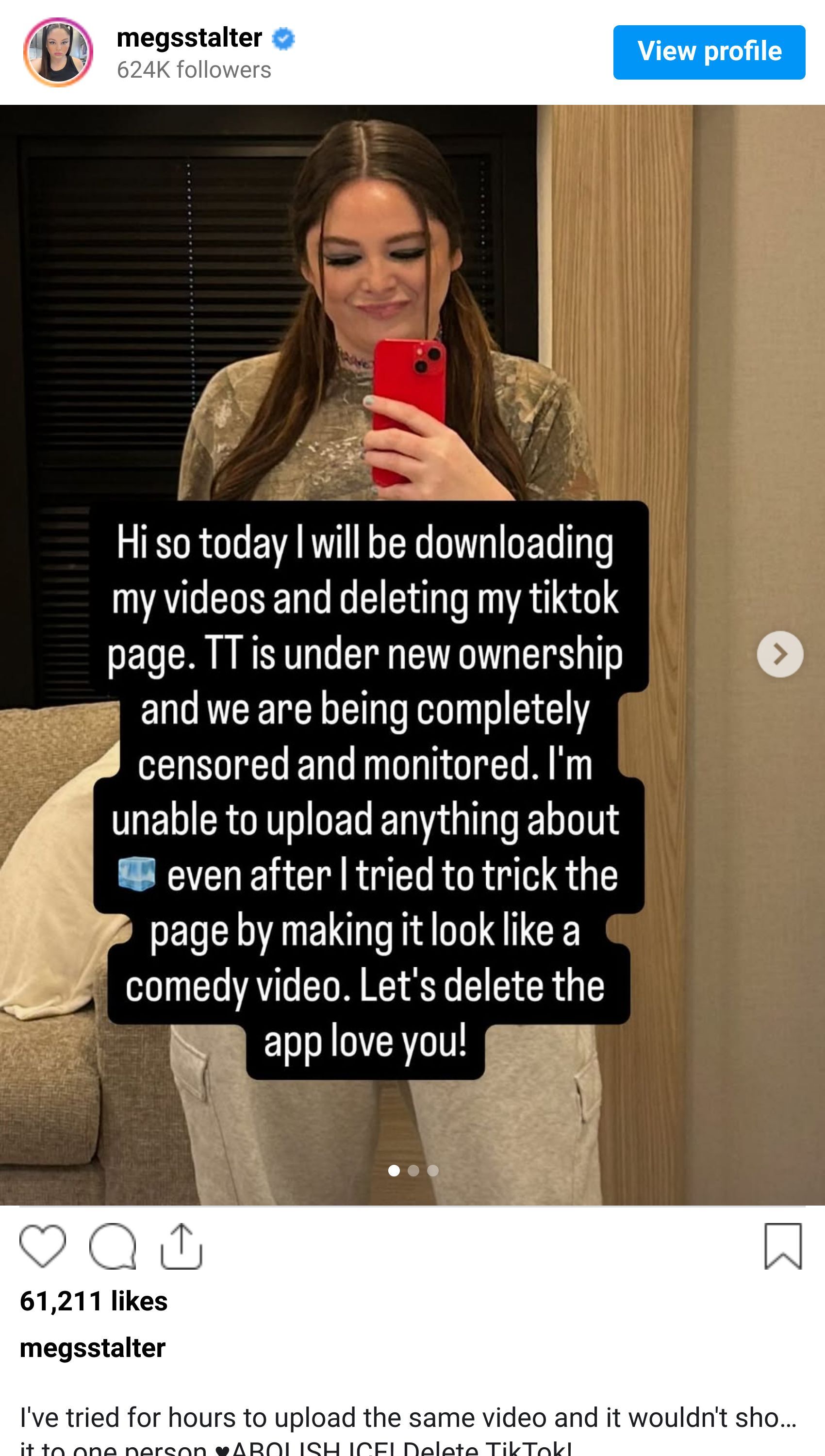
Some creators, including actress/comedy Meg Stalter, are also alleging content suppression when attempting to post about ICE-related topics.
Whatever the cause, TikTok appears to be in a moment of technical instability and trust erosion, one that coincides with its ongoing ownership transition in the United States. That uncertainty is already pushing some users to explore alternatives.
A few platforms seeing a noticeable surge in attention:
Rueblur — a minimalist, creator-first social app designed to reduce algorithmic pressure and doomscrolling
Skylight Social — a decentralized, Bluesky-adjacent platform built on open standards and user ownership
Spill — a culture-forward, Black-owned social platform positioning itself as a safer, more intentional space for conversation
I’ve been covering TikTok’s regulatory fight in the United States since the very beginning. What started in 2020 as national security concerns gradually escalated into years of court challenges, congressional hearings, executive orders, and widespread public confusion.
That tension peaked in April 2024 when Congress passed the Protecting Americans from Foreign Adversary Controlled Applications Act. The law required that TikTok’s owner, Bytedance, divest or restructure its U.S. operations so the platform would be majority owned and controlled by American entities in order to continue operating in the United States.
What followed were months of speculation and behind-the-scenes negotiations. Reports floated potential buyers and ownership structures, ranging from U.S. tech companies to private equity–backed consortiums. All the while, TikTok publicly pushed back, appealed the law, and warned that a forced sale could disrupt the platform entirely.
For creators and users, it created a prolonged limbo. Deadlines shifted. Court challenges dragged on. And no one knew whether TikTok would ultimately be banned, sold, or fundamentally restructured.
This week (January 22, 2026), the transition finally happened and TikTok announced the creation of TikTok USDS Joint Venture LLC, a new legal entity designed to bring the platform into compliance with U.S. law and allow it to continue operating.
After years of shifting deadlines, legal challenges, and political uncertainty, the announcement feels like a turning point. But it also raises a critical question:
What actually changes for the people using the app?
What TikTok USDS Is Meant to Do
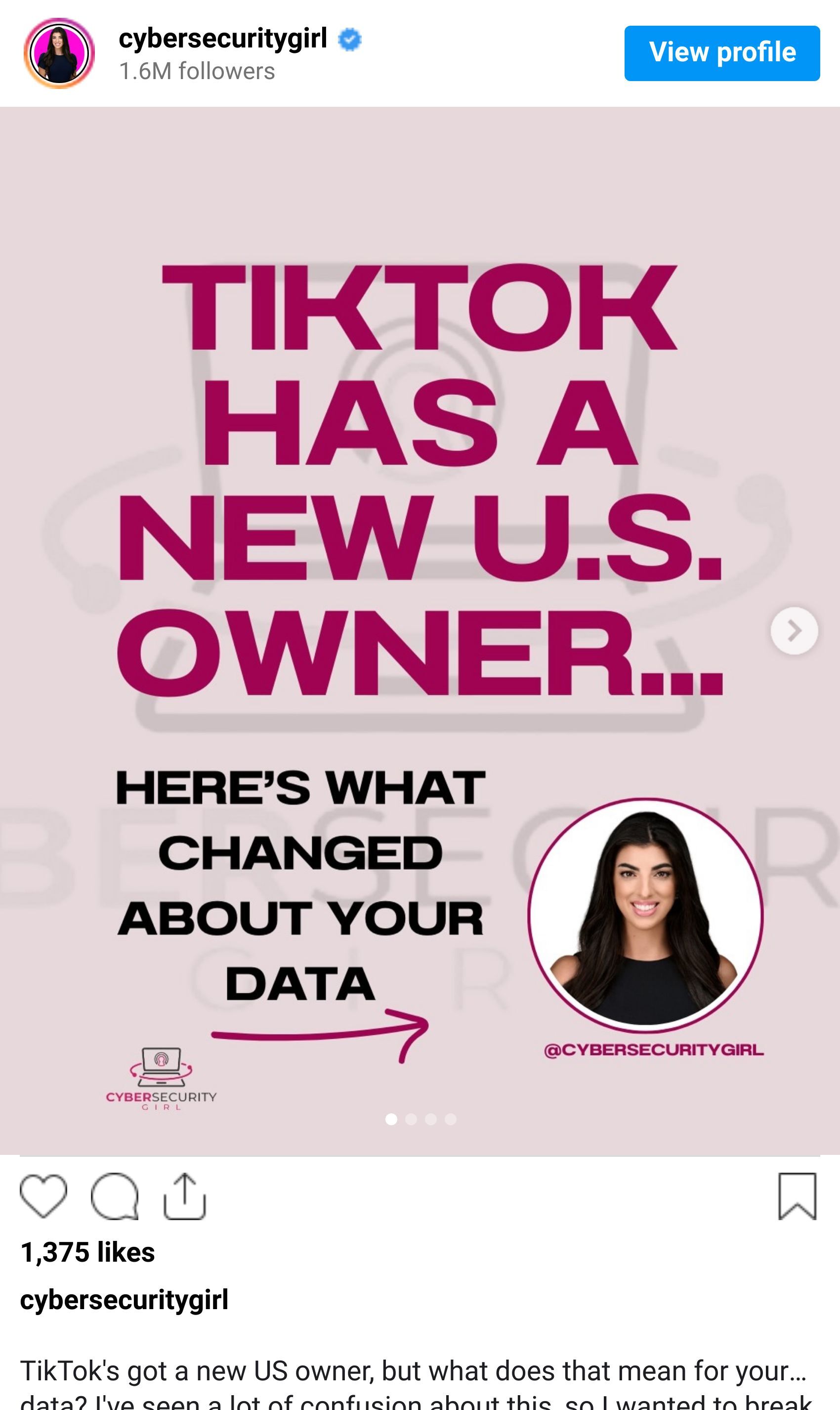
According to TikTok and reporting from Reuters, under the new structure, TikTok’s U.S. operations are now majority owned and controlled by a consortium of American investors, though the full list has not been publicly disclosed.
TikTok’s parent company, ByteDance, retains just under a 20 percent stake. TikTok CEO Shou Zi Chew remains on the board alongside U.S.-based executives and U.S. user data will be stored and secured within Oracle’s U.S. cloud infrastructure and governed by enhanced cybersecurity safeguards.
Oracle is majority owned by its co-founder and executive chairman Larry Ellison, a longtime Republican donor who has publicly supported Donald Trump and hosted fundraisers for him, a detail that adds another layer of complexity to TikTok’s U.S. data-security narrative.
The company also claims the new entity will hold decision-making authority over trust and safety policies, content moderation, and protection of the recommendation system.
On paper, the goal is clear: separate U.S. operations from foreign influence and satisfy long-standing government concerns. The reality? Compliance on paper doesn’t automatically resolve questions of trust or control.
Does the App Look or Feel Different
For now, users don’t need to download a new app or migrate accounts. TikTok remains TikTok, at least on the surface.
That said, TikTok has confirmed that the U.S. entity will retrain and operate portions of the recommendation system using U.S. data. While technical details haven’t been disclosed, experts note that even subtle shifts in how an algorithm is trained can affect content visibility, moderation decisions, and creator reach over time.
These changes are rarely immediate. They tend to show up slowly, in what performs, what disappears, and who benefits.

Terms of Service and Privacy Policy Concerns
What has also quickly drawn attention are TikTok’s updated Terms of Service and Privacy Policy, which many users were required to accept on the day of the transition in order to access their accounts.
According to reporting from Wired, recent language allows for expanded data collection, including more granular location signals and broader use of data across advertising and AI-driven features.
This matters because these policies apply regardless of whether TikTok is operated by a U.S. entity or a global parent company. Regulatory compliance does not automatically mean stricter limits on data use.
These changes are significant because they apply regardless of whether TikTok is operated by a U.S. entity or a global parent company. In other words, regulatory compliance does not automatically equal stricter limits on data use.
Relationship? Complicated
For years, TikTok’s ownership was framed as a national security issue tied to foreign influence. Now, the concern for many users has shifted inward, including who controls the platform, how decisions are made, and whether increased oversight builds trust or introduces new forms of censorship. In many ways, the fear now feels closer to home.
Using tech for civic action
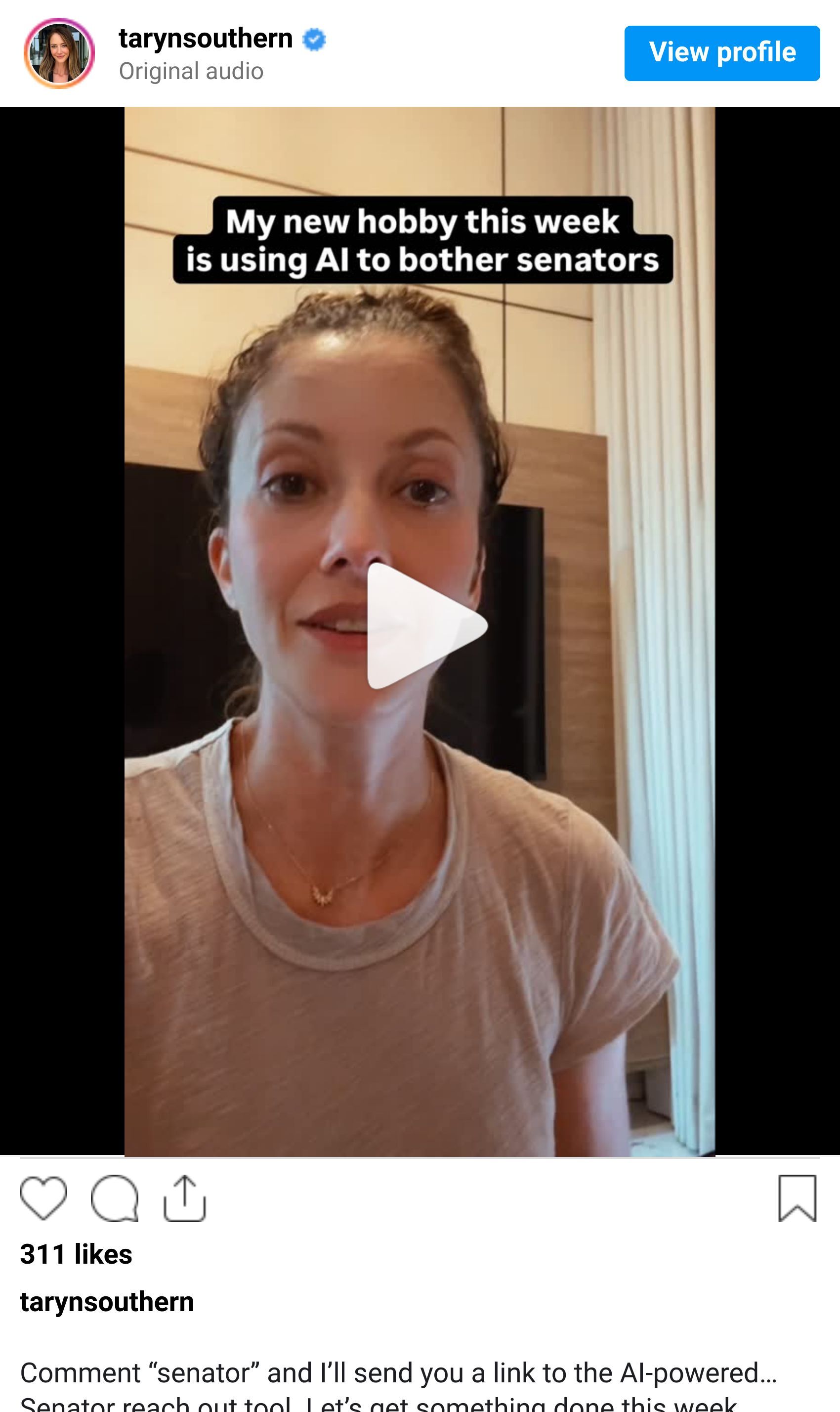
In light of recent tragic and horrific events in Minneapolis and ongoing concerns around ICE enforcement, many people are looking for ways to take action. My friend Taryn Southern built an automated tool using Claude AI that makes it easy to reach out to your U.S. senators.
Other headlines to check out:
AI
Creator Economy
Web3
Remember, I'm Bullish on you! With gratitude,

