

I’m sure we’ve all noticed the latest rising trend across social media.
Captions like “2026 is the new 2016,” often without much explanation. Then suddenly, it was everywhere and yes, I even added my own post to the mix.
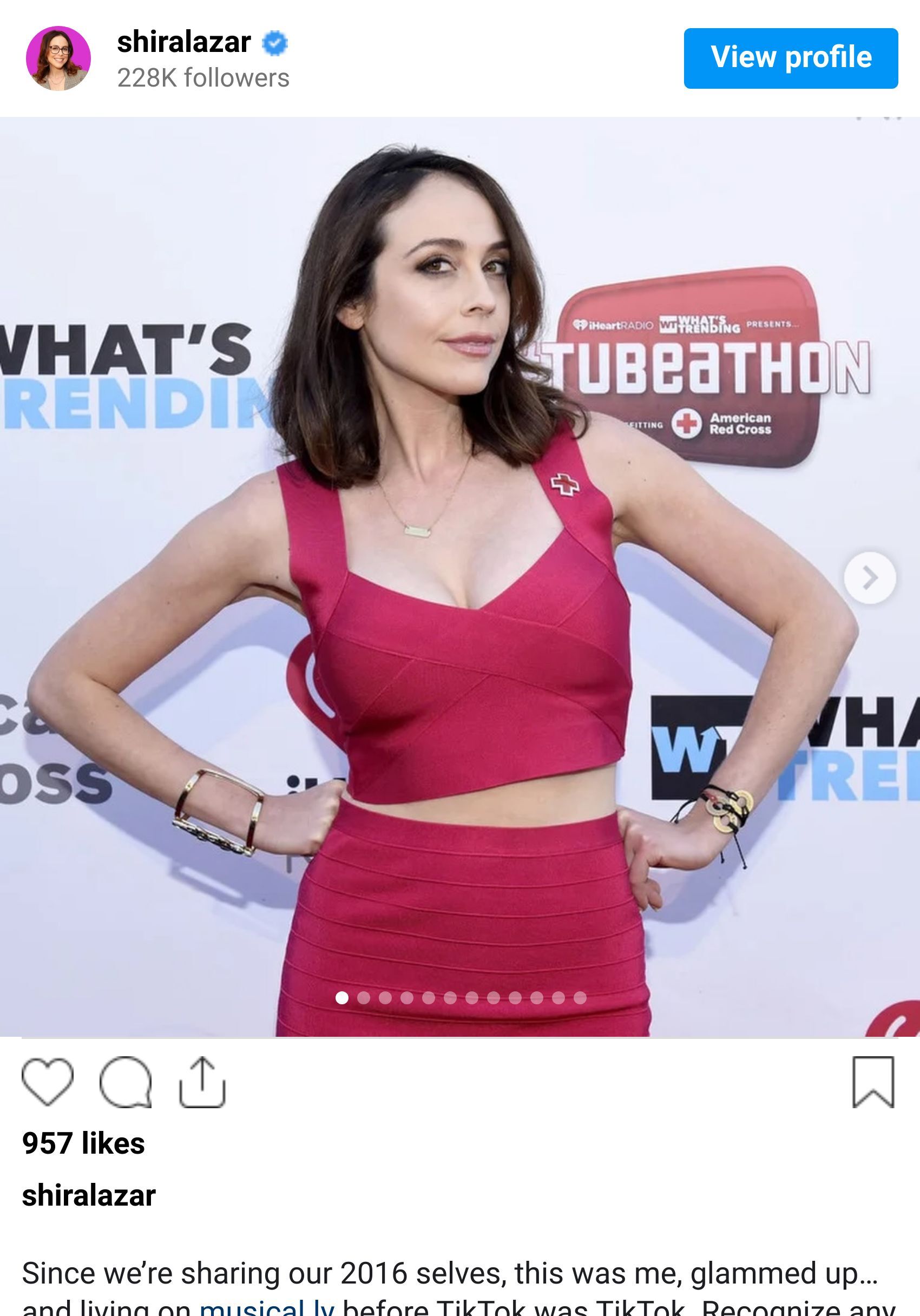
The earliest wave appeared right around the start of the new year. In the final days of December and the first week of January, creators began posting photos and videos from 2016 with captions like “wake up, it’s 2016,” “happy 2016,” and “we’re back.” These posts quickly gained traction on TikTok and Instagram, where nostalgia-driven content has been especially sticky.
According to USA Today, the trend began as people dug through their camera rolls to mark the ten-year gap between 2016 and 2026, sharing moments that captured who they were and what life felt like then.
What pushed it from a casual throwback to a full-blown trend was tone. These weren’t just ironic posts. They were emotionally infused. We weren’t only revisiting old outfits or filters; we were revisiting a feeling.
One that stood out for me came from journalist and podcast host Liz Plank, who shared a video capturing the hopeful energy of January 1, 2026, as Zohran Mamdani was sworn in as the new mayor of New York City:
@lizplank we are so back. #zohranmamdani #zohran #aoc #bernie #millenial
Once TikTok identified that 2016-related videos were holding attention, it began surfacing more of them. People reports that creators even started labeling the trend “2016Tok,” encouraging viewers to stay on that side of the app.
Many leaned further in, posting older photos, using music from that era, and referencing early Instagram and Snapchat filters, along with viral moments like the Mannequin Challenge. Celebrities followed suit, with Meghan Markle even sharing a black-and-white video dancing with Prince Harry.
Cultural analysts note that nostalgia often peaks in ten-year cycles. A decade is far enough away to feel idealized, but close enough to still feel personal. Business Insider explains that millennials and Gen Z are returning to 2016 because it represents a pre-pandemic, pre–AI saturation moment, when social media felt more communal and less optimized.
In 2016, platforms felt simpler. Feeds were more chronological. Filters were playful instead of strategic. Virality felt accidental. Memes felt like shared experiences rather than marketing tools.
That contrast matters in 2026.
We’re living in an era of algorithm fatigue. With AI-generated content everywhere, performance metrics shaping nearly every post, and even authenticity becoming a format, revisiting 2016 feels less like wanting the past back and more like remembering what digital life felt like before constant optimization.
As an elder millennial, I kind of love Gen Z’s fascination with my era, especially compared to millennials’ relative indifference toward Gen X or our side-eye of boomers.
Research shows that Gen Z’s nostalgia influences real-world behavior, too. Many are buying analog media like vinyl records at high rates, often for aesthetic or emotional reasons as much as sound quality. Trends like “flip phone summer,” where young people embraced low-tech devices to escape constant connectivity, point to a broader desire to reduce cognitive overload.
Vogue describes this moment as a collective desire to reconnect with shared culture at a time when online experiences feel increasingly fragmented and overwhelming.
Nostalgia in 2026 isn’t just an aesthetic. It’s an emotional signal, and possibly a coping mechanism. It’s a way of grounding ourselves amid rapid technological change, political uncertainty, global turmoil, and digital overload.
We’re already seeing brands revive early social media aesthetics, artists lean into throwback sounds, and creators frame past eras as symbols of stability and possibility.
The return to 2016 isn’t just escapism but a message.
We’re all craving a lighter internet, culture that feels shared, and a future that feels open and full of possibility. And if this trend is any indication, nostalgia may be one of the defining cultural forces of 2026.
ICYI… I launched the Creator Bill of Rights with Congressman Ro Khanna this week!
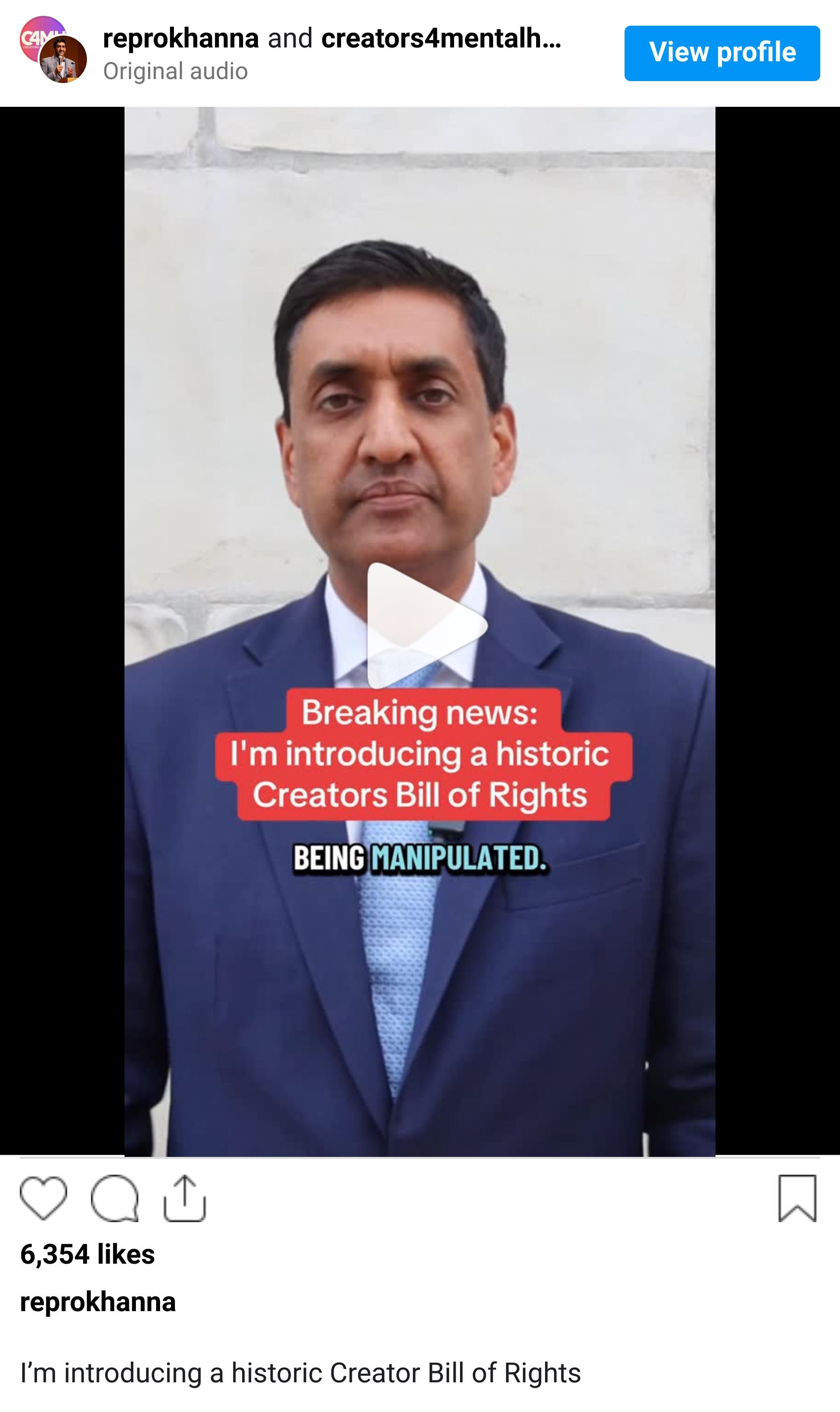
This week marked an important moment for creators. A new congressional resolution, the Creator Bill of Rights, was introduced by Rep. Ro Khanna, recognizing creators and digital workers as a real and growing workforce that deserves fairness, transparency, and economic security. It’s a historic moment, and one I’ve been honored to work on personally with Rep. Khanna and his team.
I’ve spent years advocating for better protections through my own work, including with Creators 4 Mental Health. Seeing these issues acknowledged at the federal level feels like meaningful progress. While this resolution is not a law yet, it sends a clear signal that lawmakers are beginning to take creator livelihoods, well-being, and platform accountability seriously and it opens the door to what comes next.
Check out some of the press we got about it in Business Insider and Tubefilter.
Other headlines to check out:
AI
Creator Economy
Web3
🎧 New Episode of The AI Download: A ‘Best of’ the AI Download Season 1
This special episode, I’m closing out Season One of The AI Download by revisiting the conversations that shaped our exploration of AI, creativity, and what it means to be human right now. Across more than 40 episodes, I spoke with founders, investors, policymakers, market insiders, and cultural voices who helped cut through the hype to unpack how AI is actually changing work, markets, identity, and responsibility.
From Mark Cuban on using AI as leverage to Sinead Bovell reframing AI as a structural shift in our reality, this Best Of episode captures the insights that mattered most and sets the foundation for the questions we’ll carry into Season Two.
🎙️ Listen or watch now wherever you get your podcasts 🎙️ |
Remember, I'm Bullish on you! With gratitude,

