
This week was supposed to be about AI predictions.
Instead, I can’t stop thinking about creator mental health and how urgent this has become.
In just the past 10 days, we lost two great humans in the creator community. These were individuals with huge followings, full calendars, and public personas that appeared successful and content to many who followed them. And while there is a broader mental health crisis among young people and society at large, it is impossible to ignore what is happening inside this industry.
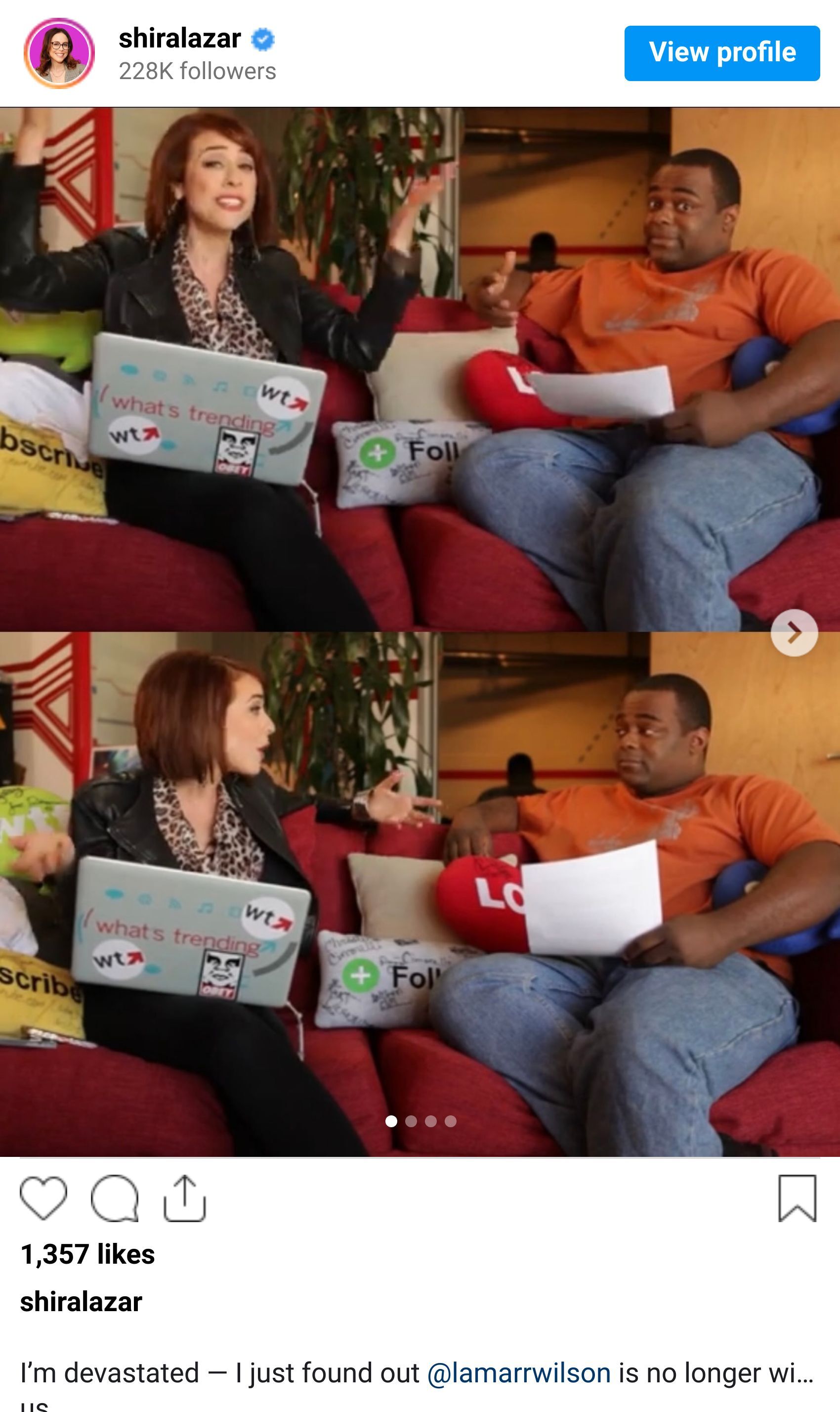
I have been a creator for over 20 years. Through highs, burnout, reinvention, and long stretches of feeling deeply alone. I have also been close to people who struggled with addiction and mental health while building online careers. Being a creator did not necessarily cause their struggles, but it absolutely did not help. In many cases, it intensified isolation, pressure, and the feeling that you had to keep going no matter what.
What makes it harder is that the people around them often were not equipped or supported enough themselves to help. That isolation compounds. And we know where that can lead.
This is why I started Creators 4 Mental Health, as an initiative to bring mental well-being tools to the creator economy not as a nice-to-have, but as a need to have for a growing workforce and workplace. Through the study I conducted with Lupiani Insights & Strategies, we now have real data showing that support, community, and early intervention can change outcomes. This is not theoretical. It is preventable.

One in ten creators report experiencing suicidal ideation relating to their work.
That is double the national average.

Nine in ten say they do not receive adequate mental health support.
When we released this research, we received an overwhelming amount of support. That part mattered deeply, and I am truly grateful.
What was harder was seeing how little attention it received from some outlets that regularly cover the creator economy or mental health more broadly.
There are many understandable reasons for that. Limited resources. Competing news cycles. Editors making difficult calls about what they can realistically cover. I get that.
But in several cases, I was told directly that this was not a business story or that it was too niche.
Calling this work too niche ignores the scale of the creator economy itself. More than half of Gen Z say they want to be influencers or creators. And according to the Interactive Advertising Bureau, roughly 1.5 million people in the U.S. already consider themselves full time creators, a number that continues to grow.
We regularly talk about the mental health impact of existing online. But we rarely talk about the mental health impact of working online, often without the protections of traditional workplaces.
That framing is both disappointing and harmful. And if you cover the creator economy, this is core to the business.
Creators are not just revenue lines, growth charts, or case studies. They are people building companies, sustaining audiences, and carrying emotional and psychological weight in public, often without meaningful support systems.
Too often, coverage focuses on venture capital, brand deals, monetization, platform executives, or a small handful of breakout success stories. Even when mental health does come up, it is framed as a surprise, as if success should somehow make depression disappear, or as something creators should simply expect as part of the job.
Ignoring that reality or minimizing it does not make it go away. It only reinforces the idea that creators matter as long as they are productive.
There is also growing evidence, including work shared by suicide prevention advocate Kevin Hines, that when survivors share their stories and are supported, it does not just help them, it helps others. Storytelling and community save lives.
And yet, I keep hearing the same excuses.
Where is the monetization model
I will only share this if we can give something away for free
We can do something for Mental Health Awareness Month or a specific day
We already do our own mental health thing
It needs a bigger name attached to it
There is not enough evidence yet
Mental health is not really our lane
I am tired of all of it.
These are not thoughtful concerns. They are excuses that allow people and companies to avoid discomfort while continuing to extract from creators without taking responsibility for their well being.
Yes, creators can support their communities. We talk about that all the time. But the creator career mental health, the sustained mental health of the people building these businesses, still is not treated as a real priority. It is framed as optional, inconvenient, or nice to have.
That is not good enough anymore.
If you work with creators
If you manage them
If your platform, brand, or business profits from their labor and vulnerability
You have a responsibility.
Supporting creator mental health does not always scale neatly. It is not always clean or comfortable. But doing nothing while continuing to benefit from this ecosystem is also a choice, and it has consequences.
As communities, we need to support our own. We need to normalize asking for help, even when it is hard. We need to stop pretending this is someone else’s problem.
And if you are a creator reading this and you feel alone, you are not. Help exists.
If you are a company or organization that wants to do better but does not know where to start, reach out. Let’s collaborate.
But if you are benefiting from this industry while waiting for someone else to fix the problem, that is not leadership. And it is not sustainable.
We can do better. We have to.
Support and resources
If you are in the U.S., you can call or text 988, or use the online chat at 988lifeline.org, to reach the Suicide and Crisis Lifeline. If you are outside the U.S., local resources are available in many countries and can be found at creators4mentalhealth.com/find-support.
If you are a creator in California, or you know one, especially if cost has been a barrier to getting help, please share this. Creatorcare.co offers sliding scale therapy for creators, with sessions as low as 80 dollars, with or without insurance.
And if you are a friend or loved one who is grieving after a suicide, you are not alone. My organization has partnered with Mourning Glory Club, which offers healing groups specifically for people navigating the complex grief of suicide loss.
Other headlines to check out:
AI
Creator Economy
Web3
Remember, I'm Bullish on you! With gratitude and Happy Holidays!

